
Introduction
Every time an HVAC, roofing, plumbing, or electrical contractor sells a labor warranty through a third-party provider, that provider collects the fee — and keeps the underwriting profit. Most contractors never see a dollar of it. Many don't realize a different structure is possible.
Choosing the right captive insurance manager — or reinsurance program manager — is one of the most important financial decisions a contractor can make. The manager you select determines how much profit you capture from your warranty program, how effectively claims are controlled, and whether your program stays compliant with state and federal regulations.
The right choice turns warranty work from a cost center into a recurring revenue stream. The wrong one brings hidden fees, compliance penalties, and eroded margins.
This guide walks you through what a captive insurance manager does for contractors, which factors separate great managers from mediocre ones, and what red flags signal trouble before you sign.
TL;DR
- A captive insurance manager handles formation, compliance, and daily operations of a contractor's own reinsurance company
- For contractors, the relevant structure is typically an administrator obligor reinsurance company backed by A-rated insurers
- Look for contractor-focused experience, transparent fees, and end-to-end administration including claims, filings, and financials
- Walk away from managers with hidden fees, no direct captive experience, or financial conflicts of interest
- WarrantyRE has managed contractor reinsurance programs since 1994, capturing underwriting profits contractors previously paid out to third-party providers
What Is a Captive Insurance Manager for Contractors?
A captive insurance manager is a firm or professional that handles the setup, compliance, financial reporting, and day-to-day operations of a business-owned insurance or reinsurance entity. For contractors unfamiliar with complex insurance regulations, the manager navigates filings, claims, and tax requirements so you can focus on running your business.
Here's where terminology trips up most contractors: in the home service industry, the practical equivalent of a captive is often an administrator obligor reinsurance company. This structure allows the contractor to own their own warranty company, backed by an A-rated insurer, and retain underwriting profits that would otherwise flow to third-party providers.
According to the NAIC Service Contracts Model Act, the administrator manages plan administration and filings, while the obligor is the party contractually obligated to perform under the service contract. The contractor becomes both—owning the company and controlling the warranty program.
Core Responsibilities of a Captive Manager
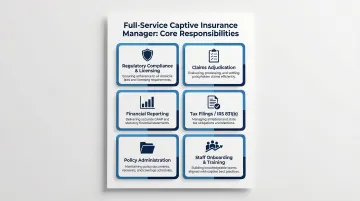
A full-service captive manager handles the full operational load of your reinsurance entity:
- Regulatory compliance and licensing across all states where you operate
- Claims adjudication from first call to final payout
- Financial reporting with monthly statements and annual reports
- Tax filings meeting IRS Code 831(b) requirements
- Policy administration covering forms, renewals, and documentation
- Staff onboarding so your team can sell and service warranties from day one
For contractor-focused programs, the manager should also train your sales and service staff to integrate warranty sales into every job—ensuring smooth implementation from the start.
Why Contractors Need a Specialized Manager
Contractors face risks that general corporate captive managers don't understand. Seasonal claims spikes hit hard—AC repair searches surge 266% in July, frozen pipe claims jump 609% in January—and managers without contractor experience will struggle to price programs competitively or set appropriate reserves.
Equipment failure patterns differ significantly across trades. HVAC systems fail due to duct leakage, coil fouling, contactor and capacitor failures. Roofing claims involve storm damage, workmanship callbacks, and flashing failures. Plumbing and electrical work each carry unique liability profiles.
A manager with no home service background can't structure pricing, analyze claims performance, or provide meaningful financial insights—which means your program runs on guesswork instead of data, eroding the profits you built it to capture.
Key Factors to Consider When Choosing a Captive Insurance Manager for Contractors
Don't choose a manager based on brochures or marketing materials. Evaluate candidates across operational, financial, and industry-specific dimensions — the manager you pick will directly shape your program's profitability, compliance standing, and customer experience for years to come.
Contractor and Home Service Industry Experience
Ask whether the manager has directly worked with contractors in HVAC, roofing, plumbing, or electrical trades—not just manufacturers or large corporations. Industry-specific experience directly affects program structure, risk pricing, and claims support.
Look for verifiable outcomes:
- How many contractor programs have they set up?
- What do those programs look like?
- Can they provide references from businesses in similar trades?
Generic captive experience doesn't translate to contractor warranty programs. If a manager can't speak to callback rates, seasonal exposure modeling, or first-time-fix metrics for your trade, move on.
Full-Service Administration vs. Piecemeal Services
Distinguish between managers offering true end-to-end administration and those handling only select functions. Full-service means:
- Compliance, filings, and renewals
- Claims adjudication and resolution
- Financial reporting and bookkeeping
- Tax returns and IRS coordination
- Staff training and program support
Running a home service business leaves little bandwidth for coordinating multiple vendors. A single integrated manager reduces administrative burden and keeps your program running smoothly.
Compliance and Legal Expertise
Evaluate whether the manager has the infrastructure to handle company formation, state filings, tax returns, and renewals—not just day-to-day operations. Captive and reinsurance structures are regulated entities; non-compliance triggers cease-and-desist orders, civil penalties, and program disqualification.
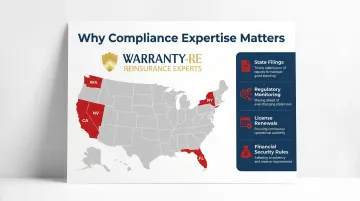
Find out whether the manager proactively monitors regulatory changes at state and federal levels and notifies clients in advance. Regulatory responsiveness separates experienced managers from reactive ones. States like California, Florida, New York, Washington, and Nevada add complexity with heightened licensing requirements and financial security rules; your manager must navigate these smoothly.
Fee Transparency and Structure
Require upfront, clearly documented fee schedules before signing anything. Vague sliding structures or managers who hesitate to discuss charges are red flags that precede hidden costs buried in the program later.
Ask specifically:
- Are there fees tied to investment recommendations or third-party referrals?
- Does the manager earn compensation from affiliated banks, insurers, or financial products?
Any undisclosed financial relationship between the manager and vendors they recommend is a conflict of interest that should be disclosed and evaluated. SIIA's Captive Manager Code of Conduct requires written engagement terms and disclosure of conflicts.
Claims Handling Process
Find out whether the manager handles claims in-house or outsources them. For contractors, claim speed and accuracy directly affect customer satisfaction — a slow or poorly handled warranty claim damages relationships and undermines your program's reputation.
Request hard data: average claim resolution times, denial rates, and escalation procedures. Industry benchmarks target 80% first-time-fix as an operational standard to reduce callbacks. A capable manager should be able to show you those numbers without hesitation.
Track Record, References, and Financial Stability
Ask for concrete evidence of successful programs:
- How long has the manager been in business?
- How many programs have they established and currently manage?
- What do program performance reports look like?
Longevity and client retention are stronger indicators than marketing claims. Request references specifically from contractors—not from unrelated industries—and ask those references about responsiveness, compliance outcomes, and whether the program delivered promised financial results.
The captive insurance market continues to grow, with over 10,000 risk-bearing entities globally and expanding mid-market use through cell structures. A manager who has navigated that growth — and kept client programs intact through regulatory shifts — is worth far more than one with an impressive pitch deck and a short track record.
Red Flags to Watch Out For When Evaluating Captive Managers
Watch for managers who market themselves primarily as attorneys, accountants, or insurance brokers but lack direct captive or reinsurance management experience. Having a legal or financial background doesn't automatically qualify someone to manage a captive program's operational and regulatory requirements.
Be cautious of managers who are not independent—those requiring contractors to use a particular bank, investment advisor, or affiliated insurance company. These arrangements typically indicate undisclosed revenue-sharing agreements that add cost to your program while benefiting the manager.
Scrutinize any manager who cannot provide clear, written answers about fee structure, program performance benchmarks, or compliance processes. Lack of transparency at the evaluation stage only compounds after the contract is signed.
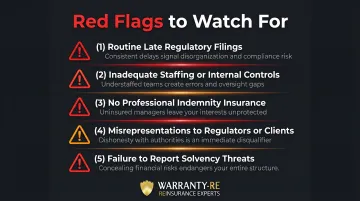
Additional red flags from industry codes include:
- Routine late regulatory filings
- Inadequate staffing or internal controls
- Lack of professional indemnity insurance (South Carolina requires minimum $250,000 E&O coverage)
- Misrepresentations to regulators or clients
- Failure to report solvency threats
Federal compliance risk adds another layer. Final IRS regulations on Section 831(b) micro-captive arrangements, effective January 2025, designate certain structures as listed transactions requiring disclosure. If your manager cannot demonstrate IRS compliance, economic substance, and unrelated-customer thresholds, you face mandatory disclosure obligations and potential IRS penalties.
How WarrantyRE Can Help Contractors Build Their Own Reinsurance Program
WarrantyRE is a full-service reinsurance program manager that has been helping business owners establish and manage their own administrator obligor reinsurance companies since 1994. Originally serving the automotive industry, the company now helps home service contractors—including HVAC, roofing, plumbing, and electrical trades—across the country.
WarrantyRE's core model enables contractors to replace third-party warranty providers with their own warranty company, backed by A-rated insurers, and capture the underwriting profits they were previously surrendering. The program covers all legal forms, filings, tax returns, renewals, claims adjudication, bookkeeping, and staff training from a single team.

Key differentiators include:
- Over 30 years of proven reinsurance experience (founded 1994)
- Full-service administration with no hidden fees
- Fast company setup with thorough onboarding and staff training
- Admin Obligor structure supported by A-rated insurers
- Expert business analysis for maximum profitability
- Performance reporting, compliance management, and financials handled in-house
- Nationwide service with direct access to a named client team
Every claim is handled from first call to final resolution—contractors don't manage adjusters or chase paperwork. Technicians stay on billable work while the WarrantyRE team handles the administrative side.
Conclusion
Choosing a captive insurance manager is a long-term business partnership that shapes your financial performance, customer experience, and risk exposure for years. The right manager brings industry expertise, operational depth, and financial transparency. The wrong one creates compliance risk and erodes the profits the program was designed to capture.
Use the criteria outlined above to evaluate every candidate thoroughly. Before signing, ask for references from contractors in your specific trade — an HVAC owner's experience differs from a roofer's, and the details matter.
Once you've selected a manager, don't treat it as a set-and-forget decision. Revisit program performance annually, benchmark claims ratios against your original projections, and hold your manager accountable to the financial transparency they promised upfront. The contractors who capture the most underwriting profit aren't just the ones who chose well — they're the ones who stayed engaged.
Frequently Asked Questions
What does a captive insurance manager do for a contractor?
A captive manager handles the setup, compliance, claims administration, financial reporting, and tax filings for a contractor's own reinsurance entity. This allows the contractor to operate their own warranty program without managing the regulatory and administrative complexity themselves.
How is a reinsurance program different from a traditional captive for contractors?
Traditional captives are typically used by large corporations to self-insure broad liability risks. Contractor-focused programs use an administrator obligor reinsurance structure where the contractor owns a warranty company backed by an A-rated insurer and retains underwriting profit from service agreements sold to customers.
What types of contractors benefit most from captive insurance or reinsurance programs?
Contractors who sell service agreements or warranties—including HVAC, roofing, plumbing, and electrical contractors—benefit most. The best candidates have an established customer base, consistent service agreement volume, and are currently paying profits to a third-party warranty provider.
How long does it take to set up a captive insurance or reinsurance program?
Most well-organized programs complete company formation, regulatory filings, and staff onboarding within 60–90 days. Timelines stretch when documentation is incomplete or the manager lacks dedicated onboarding staff. Ask any prospective manager for a written milestone plan before signing.
How much does a captive insurance program cost for a contractor?
Request a fully itemized fee schedule before committing — and ask directly whether the manager earns compensation from affiliated vendors or investment products tied to your program. Undisclosed fees are one of the most common sources of conflict in these arrangements.
What red flags indicate a captive manager is not the right fit for my contracting business?
Key warning signs include vague or undisclosed fee structures, lack of direct captive management experience (background only in law or accounting), required use of affiliated vendors, and inability to provide references from contractors in similar trades.